
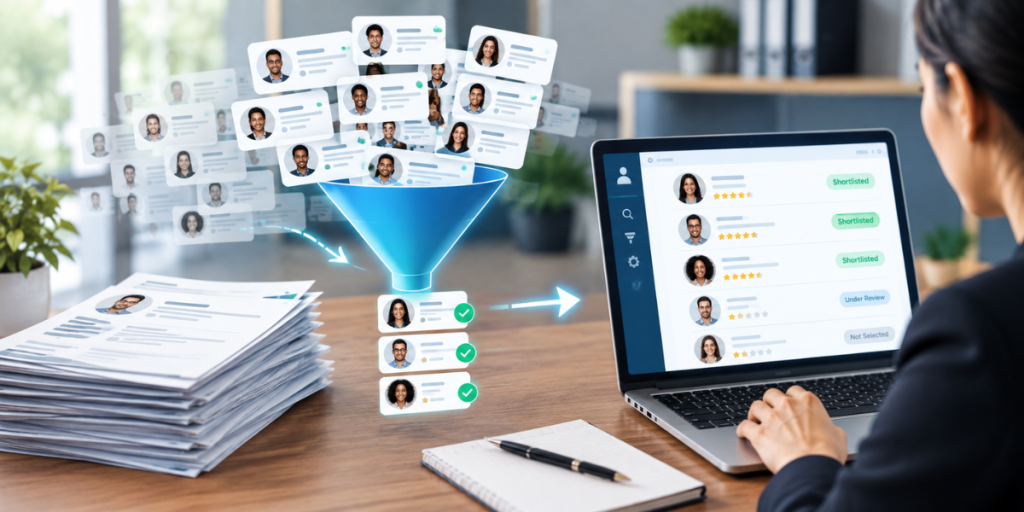
If you've ever stared at 200 resumes for one open role, you already know the real problem isn't finding candidates - it's finding time to look at them properly. That's exactly what applicant screening software is built to fix. Instead of a hiring manager eyeballing every application at 11pm, the software asks pre-set qualifying questions, checks basic eligibility, and sorts people into "talk to this person" and "not a fit" before a human ever opens a resume. Done right, it cuts your time-to-contact from days to minutes, and it does it without turning your hiring process into a black box that scares good candidates away.
What Applicant Screening Software Actually Does
At its core, applicant screening software automates the first pass of hiring: collecting applications, asking qualification questions, and routing candidates based on the answers. A candidate fills out a short form or landing page - availability, certifications, location, experience - and the system instantly flags them as qualified or not. Qualified applicants get a next step, whether that's an interview link, a text message, or a call from your team. Unqualified ones get a polite decline instead of silence.
This matters more than it sounds like it should. Candidates who apply and hear nothing for a week often accept another offer before you've even reviewed their resume. A digital candidate screening process closes that gap by responding within minutes, which is often the single biggest lever for filling high-volume roles like caregiving, delivery, or retail positions.
Why Speed Alone Isn't the Goal
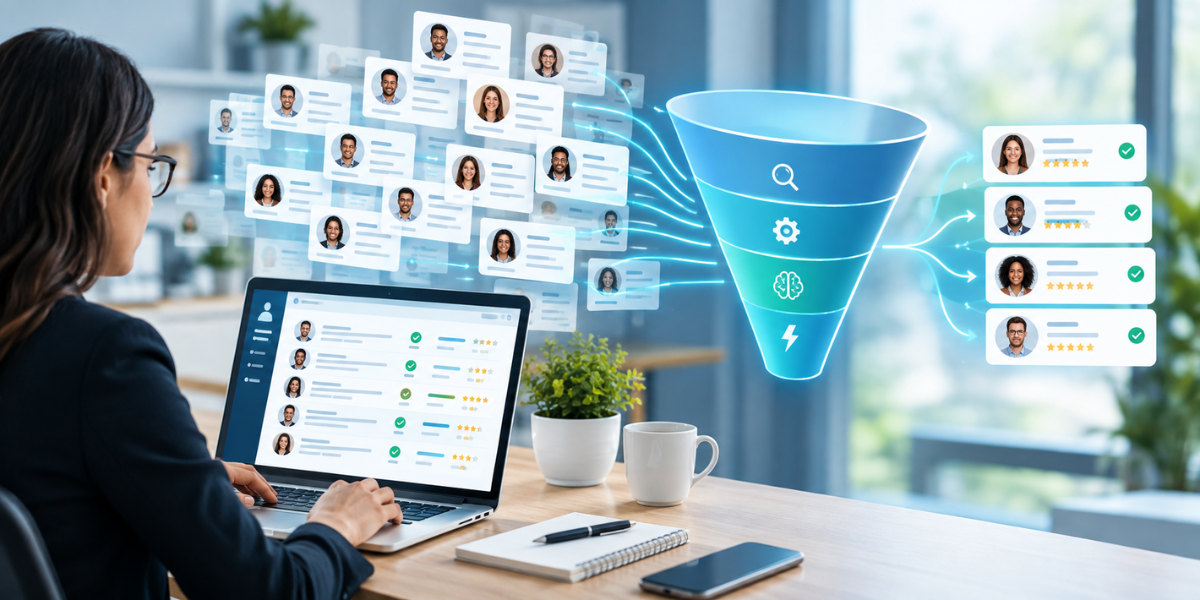
Plenty of tools promise faster filtering, but speed without accuracy just means you're rejecting good people faster. The trick is building screening questions that actually predict job success - not generic filters that knock out qualified applicants over a technicality. A well-built candidate screening software setup asks about the two or three things that genuinely determine fit: a required license, shift availability, reliable transportation, minimum experience. Everything else gets asked later, in a real conversation.
This is also where an applicant tracking system earns its keep. It's not just a filing cabinet for resumes - it's the record of who applied, what they answered, and where they sit in your pipeline, so nobody falls through the cracks between the screening step and the interview.
Where AI Fits Into the Screening Process
AI has changed what's possible here, but it works best as a layer on top of clear rules, not a replacement for them. Instead of a hiring manager manually reading every application, AI-powered recruiting tools can score applications against the criteria you've defined, flag patterns in what makes a hire succeed at your company, and surface the strongest candidates first. The screening rules still come from you - the AI just applies them consistently, at any volume, at 2am on a Sunday if that's when someone applies.
Wyred Insights builds this kind of setup for clients who need to fill roles constantly and can't staff a full-time recruiting team to do it manually. The goal isn't to remove people from hiring — it's to make sure the people involved are only spending time on candidates worth their time.
Keeping the Human Touch While You Automate
Automation earns trust when it feels helpful, not robotic. That means screening questions written in plain language, quick decisions instead of long waits, and a real person available once someone clears the first filter. It also means treating the data you collect as more than a pass/fail gate - a good candidate relationship management approach keeps track of near-miss applicants too, so when a similar role opens next month, you're not starting from zero.
The businesses that get the most out of screening software treat it as the front door to a relationship, not a gatekeeper designed to say no. Candidates notice the difference, and it shows up in how many of them actually show up for their interview.
If you're evaluating tools, look for a system that combines screening, scheduling, and reporting in one place - something closer to a full digital recruiter setup than a single standalone form. That way the qualifying questions, the interview booking, and the performance data all live together, and you can actually see which sourcing channels are sending you candidates worth hiring.
Filtering candidates faster doesn't have to mean filtering out the right ones. With the right applicant screening software, most of your team's time goes to people who are already qualified, interested, and ready to talk - which is the whole point of hiring in the first place.